




Fast Self-Service for Facebook Users.
24/7 online service available to all customers.
To avoid waiting time online, you could submit a ticket to us, our agent will respond within 1 business day.

Fast Self-Service for Facebook Users.
24/7 online service available to all customers.
To avoid waiting time online, you could submit a ticket to us, our agent will respond within 1 business day.
Sign In / Register
My Balance
Modlily Club
Sign in for the best experience
Processing
Please enter a valid number
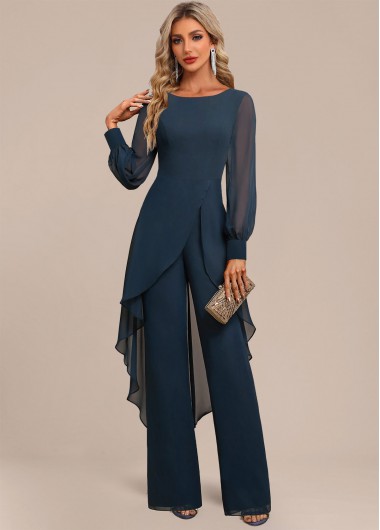

Beautiful!
 MODLILY CLUB
% Off
MODLILY CLUB
% Off
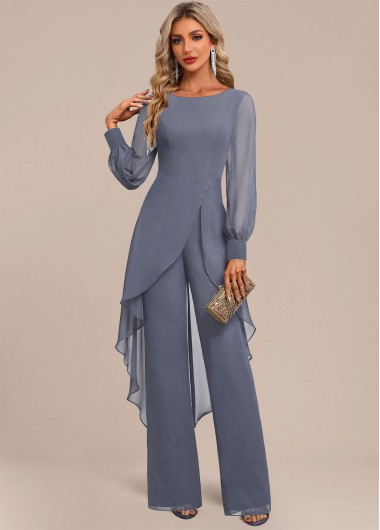
Colour and description exact. Zip was a bit stiff at first but after a couple of times of using it was ok.
MODLILY CLUB
% Off
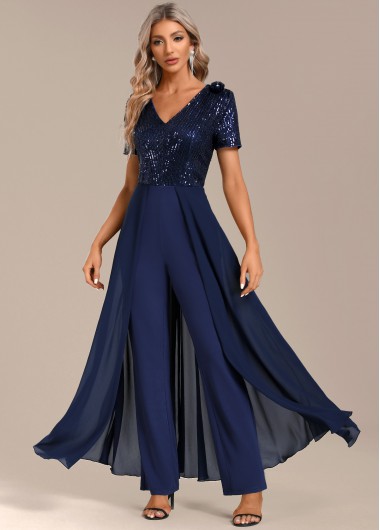
Very pretty!
MODLILY CLUB
% Off
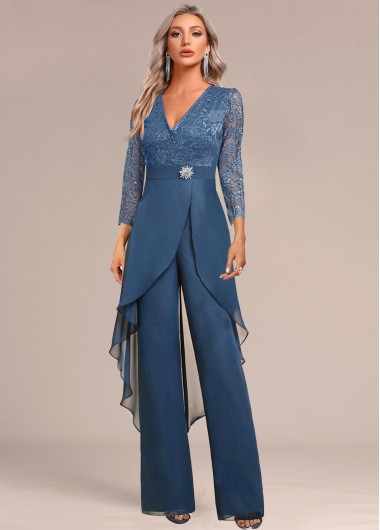
Great service
MODLILY CLUB
% Off
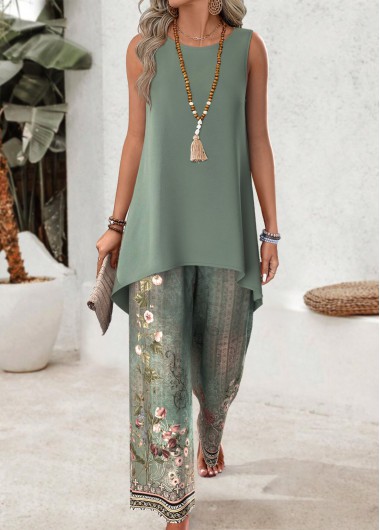
Absolutely beautiful outfit. I probably could have purchased the medium. I'm 5ft4ins and 71 kg
MODLILY CLUB
% Off
 MODLILY CLUB
% Off
MODLILY CLUB
% Off
 MODLILY CLUB
% Off
MODLILY CLUB
% Off

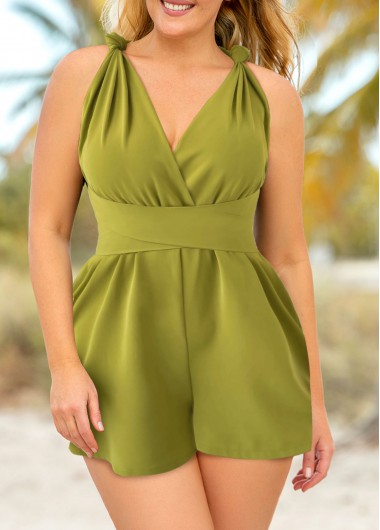
The leg length is the whole difference. A jumpsuit runs full length to the ankle, and a romper stops somewhere between the upper thigh and the knee. Everything above the waist can be identical.
Playsuit is the same garment as a romper under a different name, and a boilersuit is a jumpsuit cut loose with a utility collar. None of those names describes a different construction - they describe a length and a level of formality.
In practice the two get chosen for different weather rather than different occasions. A romper is a hot-day garment, and a jumpsuit works through three seasons and takes a layer over the top when it cools.
There is a third option here worth knowing about. A matching set gives you the same finished look as a one-piece, but the two halves can be sized independently - which solves the fit problem the next section describes.
This is the measurement that decides everything, and it is the one no size label mentions. A one-piece garment has a fixed distance from shoulder to crotch, and if your own is longer, the whole thing pulls down at the shoulders no matter how well the waist and hip fit.
Measure it once and keep the number. Run a tape from the top of the shoulder, down the front, through the legs and back up to the same shoulder, then compare that against the garment measurements given in the description.
Anyone shorter through the body has the opposite problem and the easier fix. A little extra length can be taken up with a belt at the waist, and a petite-friendly style keeps the waist seam higher so the leg starts where your leg does.
Stretch buys tolerance here. A knit fabric with give absorbs an inch of difference; a woven cotton with none of it shows that inch immediately at the shoulder.
People ask whether a jumpsuit still suits them at fifty or sixty, and the honest answer is that the question is about fit rather than about age. There is no cut-off point after which a one-piece stops working.
What changes is which details to look for. A defined waist seam gives the outline the shape a straight tube does not, a wide or straight leg balances a fuller hip, and a sleeve of some kind - even a short one - makes the garment easier to wear all day than a bare shoulder.
Fabric weight is the other thing. A mid-weight fabric holds its shape and skims the body, while a very thin jersey follows every line underneath it, which is what people usually mean when they say a style is unforgiving.
Pick those three and the age question answers itself. It is the same set of checks anyone would apply to women's bottoms or a dress, just applied to a garment that happens to be joined at the waist.
Necklines here run from a plain scoop through to a V and a surplice wrap, and the choice does more than decorate the top of the garment. A V or a surplice creates a vertical line that lengthens the upper body, which is useful on a one-piece where the eye has no waistband to stop at.
A surplice wrap has one practical point in its favor: the overlap adjusts. That gives a little room across the bust that a fixed neckline cannot, and it is often the reason one style fits when another in the same size does not.
Sleeves run from sleeveless to three quarter. Sleeveless keeps a romper cool, a short sleeve covers the top of the arm, and three quarter carries a jumpsuit into cooler weather - and any of the three takes a cardigan over the top when a room turns cold.
They keep being asked about, which usually means they are useful rather than fashionable, and that is the better reason to own one. A single garment that needs no coordination earns its place in a wardrobe on the mornings when nothing else appeals.
The drawback is real and worth stating: getting out of a one-piece takes longer than getting out of two, which matters in a public bathroom. A front opening, a wrap neckline or a zip that runs low enough makes a genuine difference, and it is the first thing to check in the photos.
The second honest caution is that the fit is less forgiving than separates, for the torso length reason above. A plus size jumpsuit follows exactly the same rule - it is the vertical measurement, not the width, that decides how it sits.
Weighed together, a jumpsuit is worth owning when it fits properly and worth skipping when it nearly fits. That is a higher bar than most garments, and it is why the ones that clear it get worn far more often than they were bought to be.
Fast Self-Service for Facebook Users.
24/7 online service available to all customers.
To avoid waiting time online, you could submit a ticket to us, our agent will respond within 1 business day.

Create Account
Create password to get more coupons!
$100 OFF
New Members only!
Create Account
Create password to get more coupons!
$100 OFF
New Members only!
$20 OFF
for text subscribe

*It includes 4 coupons
Expired:
CODE:
Expired: